Moving Heavy Equipment Safely in Data Centres
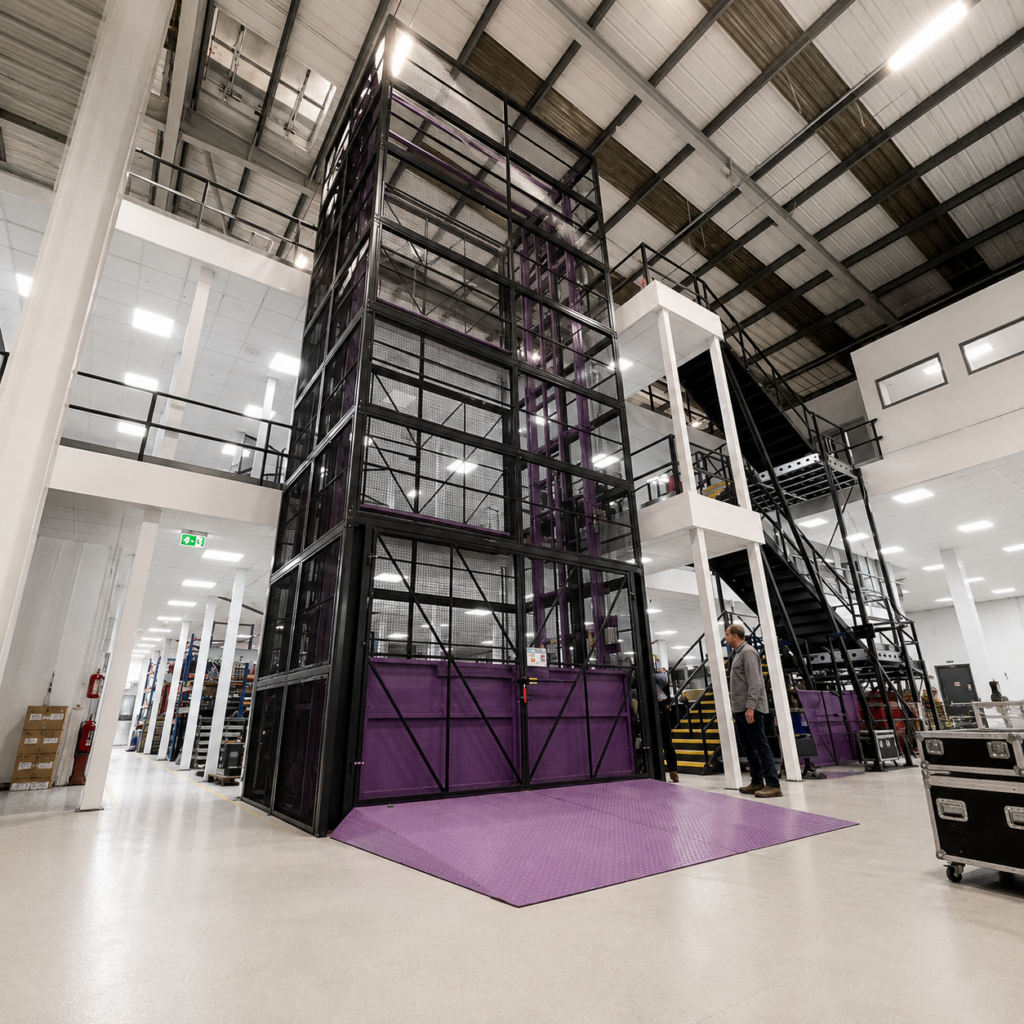
Data centres rely on large amounts of specialist equipment to keep their facilities operating efficiently. From server racks and UPS systems to batteries, cooling equipment and electrical components, many of these items can be large, heavy or awkward to move between different levels of the building.
As data centres become larger and more complex, transporting equipment safely throughout the facility is an important consideration. Whether equipment is being installed during construction, replaced as part of an upgrade or transported for routine maintenance, having a suitable method of moving heavy loads can help reduce risks and improve efficiency.
Relying on manual handling or temporary lifting methods can increase the risk of injury, equipment damage and disruption to operations.
For data centre developers, contractors and architects, planning how equipment will be moved around the facility should be considered early alongside other aspects of the building’s design and operation.
-
What are the risks of moving heavy equipment manually?
Moving heavy equipment without the right lifting equipment can create risks to both people and the equipment itself. Manual handling of large or awkward loads can increase the likelihood of strains, injuries and accidents, particularly where equipment needs to be moved over long distances or through restricted areas.
Access can be a challenge within data centres. Large equipment may not be suitable for movement through standard doorways, stairways or other internal routes, making it difficult to safely manoeuvre loads between levels.
In a data centre environment, damage to equipment can have significant consequences. Specialist equipment can be expensive to replace, and damage during installation, maintenance or transportation could result in additional costs and disruption to daily operations.
Using appropriate lifting equipment can provide a more controlled alternative to manually moving heavy loads, helping to improve safety, reduce physical strain and minimise the risk of damage.
-
Why are goods lifts suitable for data centres?
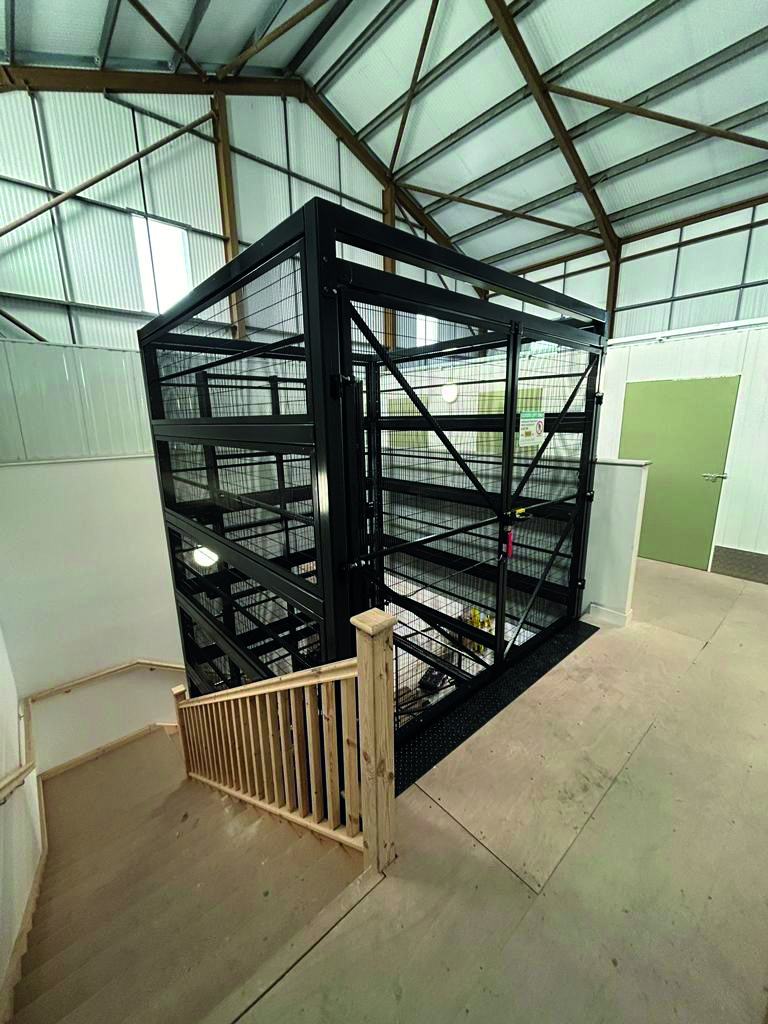
Goods lifts can provide an effective solution where heavy equipment and materials need to be transported vertically between different levels of a data centre.
Unlike temporary lifting methods, a dedicated goods lift can provide a permanent route for moving equipment throughout the life of the facility. This can be particularly valuable during construction and fit-out, but also when equipment needs to be replaced, repaired or upgraded in the future.
A goods lift can be designed around the specific loads being transported, taking into consideration factors such as load capacity, platform dimensions, travel height and access arrangements.
For data centres, this can provide a safer and more efficient way to move large and heavy equipment between levels.
-
Moving equipment from floor to roof level
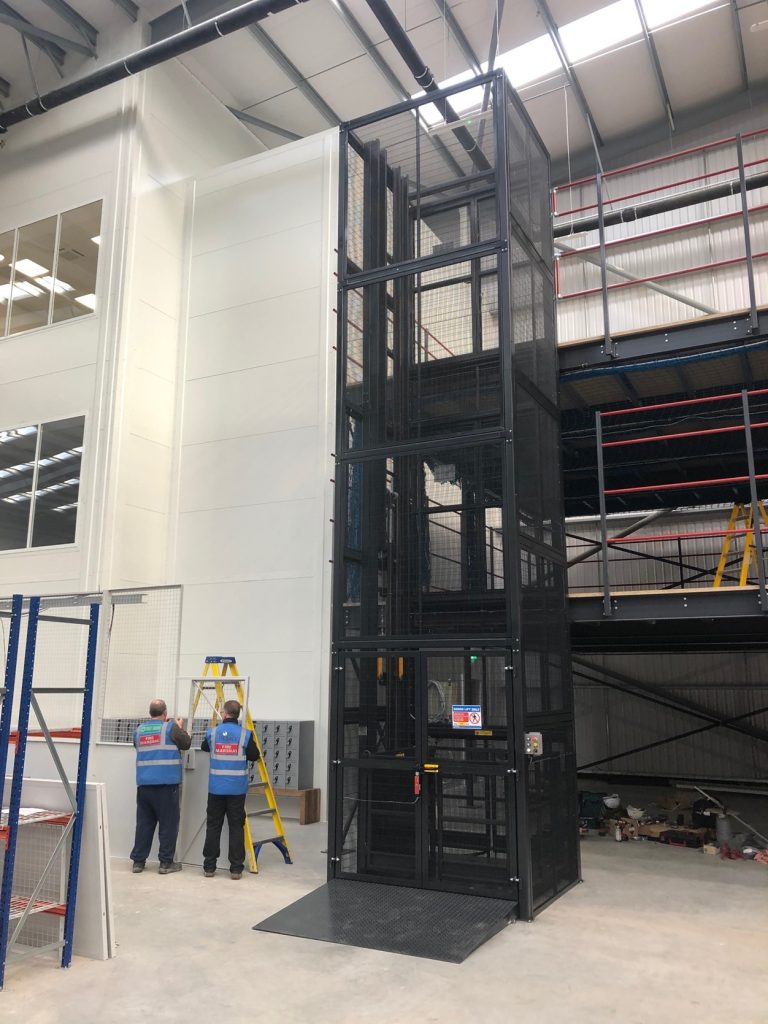
One of the more challenging requirements within a data centre can be moving heavy equipment from floor level to roof level. Roof areas can contain essential equipment such as cooling systems, ventilation components and other plant. Getting these large and heavy items to roof level can be difficult where internal access routes are restricted or where equipment is too large to manoeuvre safely through stairways and doorways.
A bespoke goods lift can provide a dedicated vertical route for transporting this equipment. By designing the lift around the required travel height, load capacity, platform size and available space, the solution can be tailored to the specific requirements of the building and the equipment it needs to transport.
-
Why choose a bespoke goods lift?
Not every data centre will have the same lifting requirements. Building layouts, available space, equipment size, travel heights and load capacities can all vary from project to project.
Where a standard goods lift configuration does not meet the requirements of a facility, a bespoke solution can provide greater flexibility. A bespoke goods lift can be designed around factors including lifting capacity, platform dimensions, travel height, access points and available space. The type, size and frequency of the loads being transported can also be considered as part of the design.
Considering these requirements early in the project can help ensure the lifting solution works alongside the wider building design.
-
Supporting maintenance and upgrades
Data centres don’t just need to move heavy equipment during construction. Throughout the life of a facility, equipment may need to be replaced, repaired or upgraded. Having suitable lifting equipment available can make these tasks safer and more efficient, while reducing the need for temporary or unsuitable methods of moving heavy loads.
By considering lifting requirements early and selecting equipment based on specific loads, access routes and the working environment, data centres can create a safer and more efficient approach to moving heavy equipment. Where standard solutions aren’t suitable, bespoke goods lifts can provide the flexibility needed to meet the specific requirements of the facility.
If you’re planning a data centre project or looking for a safer and more efficient way to move heavy equipment between levels, contact our team at sales@advancedhandling.co.uk to discuss your requirements.
Explore some more related Blogs
News and case studies
What information do I need to provide for a Goods lift quote?
21 May 2025