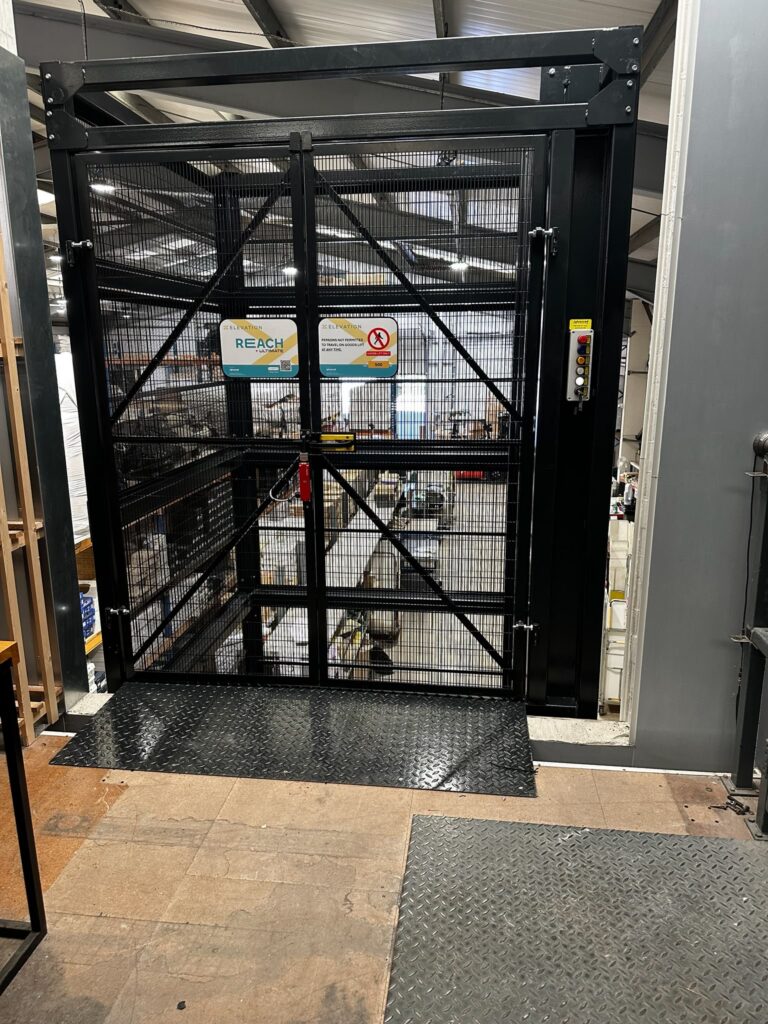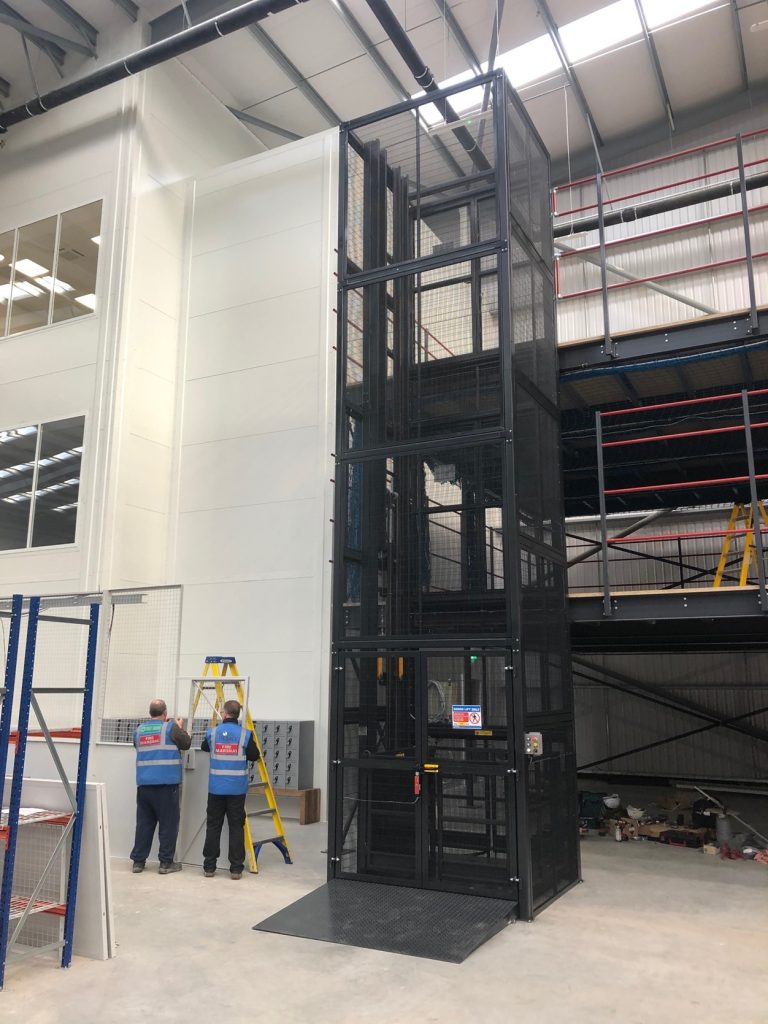
Heavy-Duty Goods Lifts: What You Need to Know Before Choosing One
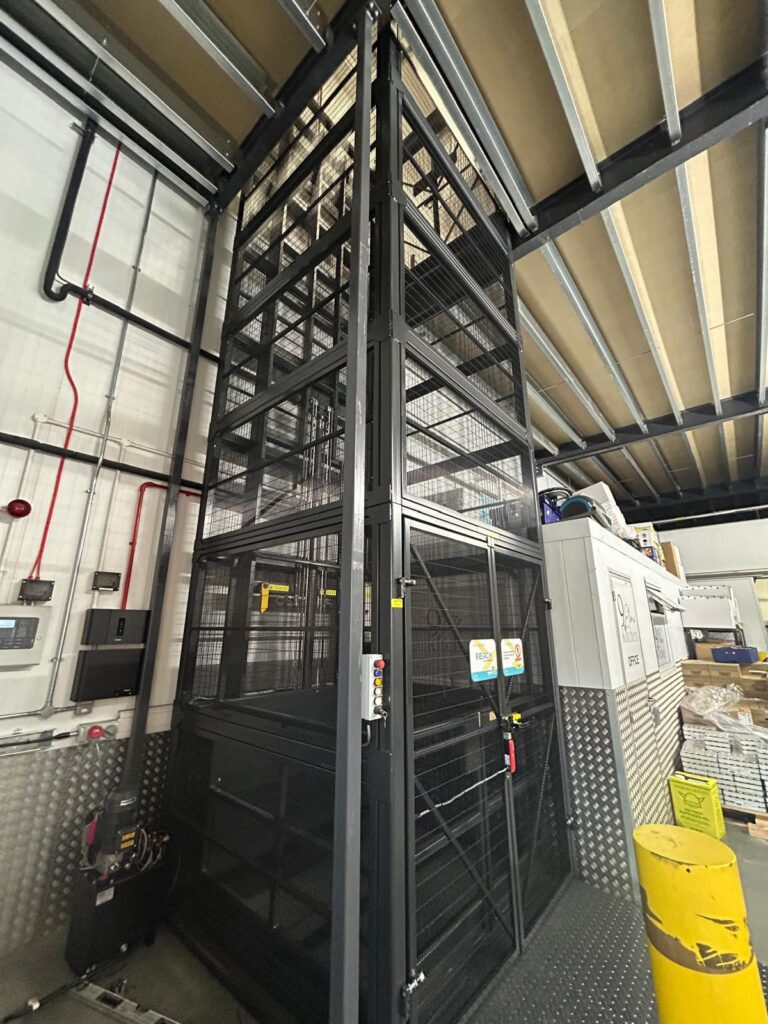
When heavy equipment, machinery or materials need to be moved between levels, relying on manual handling or unsuitable lifting equipment can create unnecessary challenges. For businesses operating across manufacturing, engineering, warehousing and other industrial environments, having a reliable way to transport heavy loads vertically can make a significant difference to day-to-day operations.
A heavy-duty goods lift is designed to provide a dedicated solution for moving loads between floors, helping businesses create a safer, more efficient and better-organised working environment.
-
What Makes a Goods Lift Heavy-Duty?
A heavy-duty goods lift is designed for more demanding applications where heavier loads need to be transported regularly between levels.
Choosing a heavy-duty solution isn’t simply about selecting the highest lifting capacity. The goods lift needs to be designed around the loads being transported, the building and the way the lift will be used.
The size and weight of the goods, frequency of use, travel height and available space can all influence the final specification.
-
Understanding Your Load Requirements:
Before choosing a heavy-duty goods lift, it’s important to understand exactly what will be transported.
A business may need to move individual pieces of equipment, palletised goods, or multiple items at once. The heaviest load isn’t the only consideration; the dimensions of the goods can also affect the required platform size and access requirements.
Considering your typical and maximum loads at the beginning of the process helps ensure the goods lift is suitable for the application and for future growth rather than simply meeting the minimum requirements.
-
How Will the Goods Lift Be Used?
The way a goods lift will operate within your facility is another important consideration.
Will it be used throughout the day to move stock between warehouse levels, or occasionally to transport heavy machinery between production areas? Understanding how the goods lift will fit into the existing workflow can help create a solution that supports productivity.
A heavy-duty goods lift used regularly throughout the working day may require different considerations to one used occasionally for heavier equipment. The loading method, number of stops and type of goods being transported should all be considered to ensure the lift works effectively alongside existing processes.
Considering these requirements early can help ensure the goods lift is integrated into the workflow, providing a reliable way to move materials between levels without disrupting day-to-day operations.
-
Making the Most of Available Space
Installing heavy-duty lifting equipment can present challenges when space is limited, particularly in existing buildings. Available floor space, headroom, pit requirements and access to each level all need to be considered when designing the installation.
For businesses working with limited space, a compact goods lift can provide an effective solution without requiring a large footprint. Compact goods lifts are designed to make efficient use of the available space whilst still providing a reliable way to transport between levels.
Our compact goods lift solutions are suitable for applications where space is restricted or where a larger lift may not be practical. Their smaller footprint can make them particularly useful for existing building, smaller facilities and projects where maximising available floor space is important.
Where space is particularly restricted, a bespoke goods lift can provide even greater flexibility. The design can take the characteristics of the building and the requirements of the application into account, helping businesses make effective use of the space available.
-
Built Around Your Application
Heavy-duty goods lifts are used across a wide range of industries; there is no standard specification that works for every business.
The right specification will depend on the goods being transported, the environment in which the lift will operate, how frequently it will be used and the available space.
For example, a manufacturing facility may require a heavy-duty goods lift to transport machinery or raw materials, while a warehouse may need to move pallets and stock between different levels.
The surrounding environment should also be considered. Available space, floor layout, headroom and access points can all influence how a heavy-duty goods lift is designed and installed.
-
Choosing the Right Heavy-Duty Goods Lift
Every business has different lifting requirements. Factors such as load capacity, travel height, floor layout, available space and operational demands all play a key role in determining the most suitable solution.
At Advanced Handling, we design and manufacture heavy-duty goods lifts in-house to suit a wide range of industries and applications. Our experienced team works closely with customers to understand their requirements and deliver reliable lifting solutions that improve efficiency, safety and productivity.
If you would like to discuss your requirements, contact our team sales@advancedhandling.co.uk to discover how a heavy-duty goods lift could provide the right solution for your application.
Explore some more related Blogs
News and case studies
What information do I need to provide for a Goods lift quote?
21 May 2025
Lam Research Improves Material Flow with a 1000kg Goods Lift
15 July 2026