
Everything You Need to Know About Warehouse Lifts
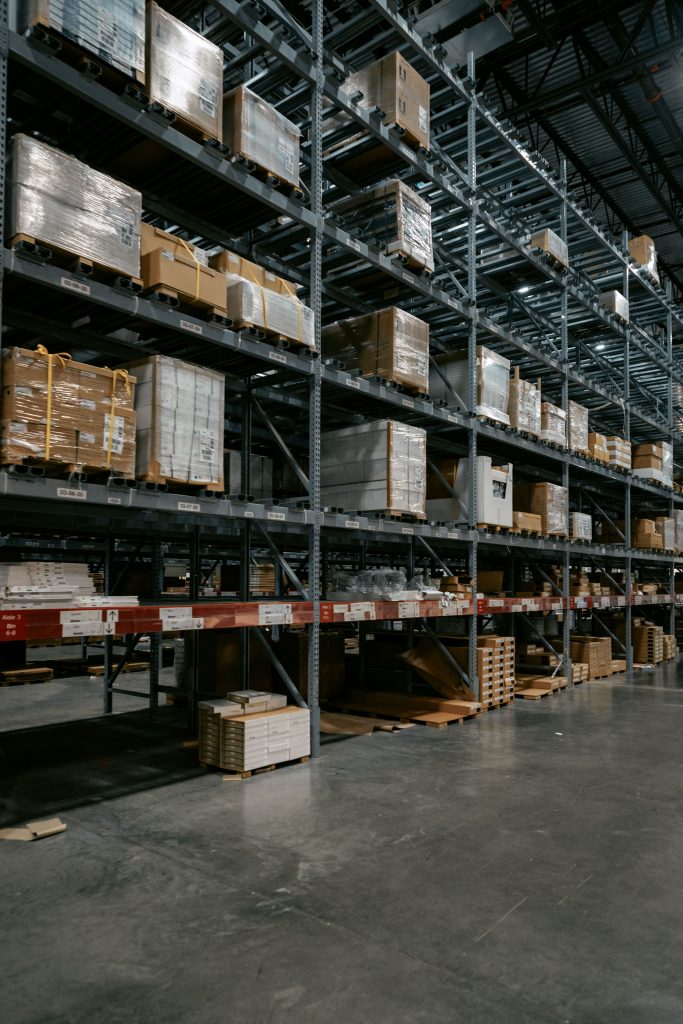
Whether you are expanding your facility or need to make better use of a mezzanine floor to improve productivity, a warehouse lift can transform the way your business operates.
At Advanced Handling, we’ve been designing and manufacturing goods lifts for decades. Every warehouse is different, which is why we don’t believe in a one-size-fits-all approach. Instead, we engineer solutions tailored to your building layout and day-to-day operations, focusing on improving operational workflow, maximising available space and supporting long-term business growth.
In this blog, we’ll explain everything you need to know about warehouse lifts, from how they work to choosing the right solution for your facility.
-
What is a Warehouse Lift?
A warehouse lift is a lifting platform designed to transport goods, pallets or stock safely between different levels of a building. Unlike passenger lifts, warehouse lifts are built specifically for moving materials rather than people.
Warehouse lifts are commonly used in manufacturing facilities, warehouses, distribution centres, food production sites, and retail stockrooms.
These types of lifts can handle everything from lightweight boxes to heavy pallets, depending on their specification. They are designed to improve the flow of goods whilst reducing manual handling and making better use of available space.
-
Why install a Warehouse Lift?
As businesses continuously grow, so do the challenges of moving goods safely and efficiently around your building. What may have worked when operations were smaller, can quickly become time-consuming and inefficient.
Installing a warehouse lift creates an easy route for goods to be moved between floors, allowing materials to travel quickly while keeping operations moving smoothly. Time spent carrying goods upstairs or waiting for a forklift could be time spent producing, packing or dispatching orders.
Manual handling remains one of the leading causes of workplace injuries. Carrying heavy or awkward loads upstairs increases the risk of accidents and damage to goods. A warehouse lift reduces these risks by providing a safer and more controlled method of transporting goods.
-
Where are goods passenger lifts used?
Goods passenger lifts are used across a wide range of industries where goods and operators need to move safely between floor levels. They are commonly installed in warehouses, distribution centres, manufacturing facilities, and retail environments, particularly where mezzanine floors or multiple levels are involved.
Operators may need to travel with the load to supervise the goods, manage stock movement and improve efficiency throughout the operation. Goods passenger lifts are ideal for businesses needing to transport heavy or bulky items between floors safely and efficiently.
Many businesses have unused mezzanine areas or upper floors because transporting goods to them is a challenge. Installing a warehouse lift allows you to maximise your existing space rather than costly extensions or relocation considerations.
A well-designed warehouse lift allows you to support future business growth without disrupting your workflow.
-
Types of Warehouse Lifts:
Every warehouse operates differently, which is why there are several types of goods lifts available. The right solution depends on your building, the goods you’re transporting and how your operation works.
-
Goods Lifts
Goods lifts are designed specifically for transporting goods between floors, they are commonly used in warehouses, factories and industrial buildings. They can be engineered with different platform sizes, load capacities and travel heights depending on operational requirements.
-
Mezzanine Lifts
If your warehouse has a mezzanine floor, a mezzanine lift provides a safe and efficient way to move stock between levels. It allows businesses to maximise storage space without relying on manual handling.
-
Heavy-duty Lifts
Heavy-duty warehouse lifts are ideal for manufacturing environments where large pallets, machinery or bulky stock needs to be transported. They offer higher load capacities and are designed for demanding applications.
-
Bespoke Lifts
Some buildings and requirements present unique challenges; therefore, a bespoke warehouse lift may be needed. At Advanced Handling, every lift is engineered around your requirements, including platform size, loading direction, travel heights and capacities. We design bespoke warehouse lifts around your business, rather than expecting you to adapt your processes to a standard lift.
-
Are warehouse lifts safe?
Warehouse lifts are considered safe when designed, installed and maintained accurately. They are an extremely safe method of transporting goods and often incorporate multiple safety features, including interlocked gates and doors, emergency stop controls, and overload protection. Regular servicing and inspections are crucial to ensure safe operation.
-
How much does a warehouse lift cost?
The cost of a warehouse lift depends on several factors including: load capacity, platform dimensions, travel height, number of stops, and any bespoke features. A correctly specified warehouse lift is an investment that supports business growth for the future by improving productivity, making better use of space and reducing manual handling.
-
Why choose Advanced Handling?
At Advanced Handling, we understand that no two warehouses are the same. We design and manufacture goods lifts that fit around your building and your processes. Whether you need a mezzanine lift, a heavy-duty warehouse lift or a fully bespoke solution, our experienced team will work with you to develop the right solution that supports your operation now and in the future.
If you’re considering a warehouse lift, speak to your team today. We’ll help you find the right solution for your building and workflow.
Explore some more related Blogs
News and case studies

Customisable Handling Solutions for Efficient Warehouse Operations
21 January 2025